 Coming Soon
 Coming Soon
 info@epluseurope.org

E-Plus Europe
Discover education, internship and volunteer opportunities around the world. E-Plus Turkey brings you together with global experiences and enables you to go beyond borders.
Gallery


Social Media





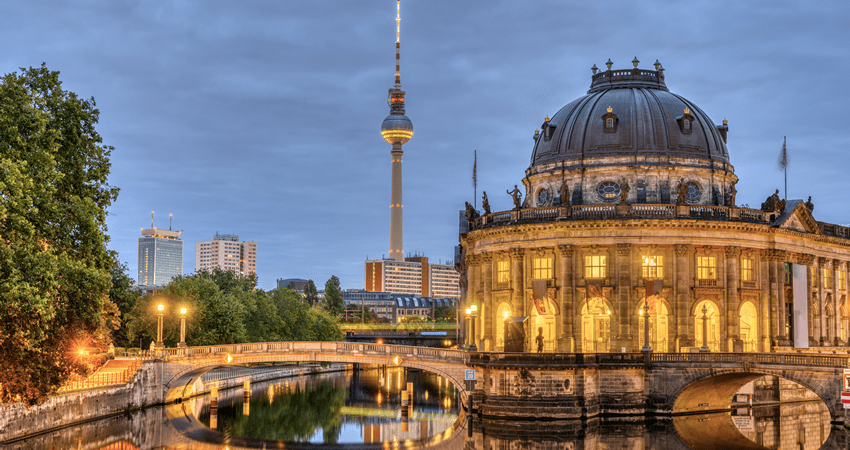
Germany is a country located in the heart of Europe, with its historical riches, cultural diversity and modern life. This guide provides comprehensive information for travelers planning to travel to Germany.
1. Visa and Entry Requirements: Germany is part of the Schengen Area and many nationalities require a Schengen visa. It is important to check your visa requirements on the official website of the German Consulate before applying for a visa. With a Schengen visa, you can travel to other Schengen countries besides Germany.
2. Transportation: Transportation to Germany is usually provided by plane. There are major international airports in cities such as Frankfurt, Munich, Berlin and Düsseldorf. Within Germany, you can easily travel by well-developed public transportation options such as trains, buses, metro and trams. Deutsche Bahn (DB) is the main railway operator in Germany and offers an extensive railway network throughout the country.
3. Major Cities and Places to Visit:
Berlin: The capital of Germany, Berlin, is famous for its historical and cultural riches. The Brandenburg Gate, Berlin Wall, Museum Island, Reichstag and Alexanderplatz are must-see landmarks. Berlin is also famous for its nightlife and art scene.
Munich: The capital of Bavaria, Munich is known worldwide for its Oktoberfest. Marienplatz, Nymphenburg Palace, the English Garden and the BMW Museum are places to visit. Munich is also an attractive destination for nature lovers due to its location close to the Alps.
Frankfurt: Frankfurt, the financial center of Germany, is famous for its modern skyscrapers. Places such as the Main Tower, St. Bartholomew’s Cathedral, the Goethe House and Römer Square are places to visit. Frankfurt is also an important transportation hub due to its large airport.
Hamburg: Hamburg, Germany’s largest port city, is famous for its waterways and bridges. Places such as the Miniatur Wunderland, the Elbphilharmonie, the Hamburg Port and the Reeperbahn are places to visit. Hamburg also offers a rich cultural life.
Cologne: Cologne is known for its famous cathedral. Places such as Cologne Cathedral, Hohenzollern Bridge, Rhine River banks and Ludwig Museum can be visited. Cologne also attracts attention with its famous Carnival Festival.
4. Natural Beauties: Germany also stands out with its natural beauties. Places such as Black Forest (Schwarzwald), Romantic Road (Romantische Straße), Rhine Valley and Bavarian Alps are ideal destinations for nature lovers. In addition, Germany’s various national parks and nature reserves offer great opportunities for activities such as hiking, cycling and camping.
5. Culture and Art: Germany is famous for its rich cultural heritage. There are many museums, galleries, theaters and concert halls throughout the country. Cultural and historical places such as Berlin Philharmonic Orchestra, Neuschwanstein Castle, Dresden Zwinger Palace and Heidelberg University can be visited. In addition, various festivals and events are organized in Germany throughout the year.
6. Cuisine: German cuisine is both delicious and filling. Traditional dishes such as Bratwurst, Sauerkraut, Pretzel and Schnitzel are a must-try. In addition, various cakes and desserts can be tasted in Germany’s famous patisseries. Germany’s beer culture is also quite rich and there are different types of beer in each region. Germany’s wine regions are also famous, especially the wines produced in the Rhine and Mosel valleys are world-renowned.
7. Climate and Best Time: Germany’s climate exhibits temperate climate characteristics. Summers are generally mild and warm, while winters are cold and snowy. The best time to visit Germany is between May and September. During this period, the weather is generally mild and there are many festivals and events.
8. Accommodation: There are many different accommodation options in Germany. There are accommodation options to suit every budget, from luxury hotels to boutique hotels, from guesthouses to hostels. There is a wide range of accommodation, especially in big cities and touristic areas. Making an early reservation allows you to find affordable and quality accommodation.
9. Safety and Health: Germany is generally a safe country for tourists. However, it is important to be careful and take care of your valuables in big cities. Having health insurance before your trip will help you be on the safe side against possible health problems. Hospitals and healthcare institutions in Germany generally provide high standards of service.
10. Tips and Suggestions:
It may be useful to have some cash with you when traveling to Germany, as some small businesses may not accept credit cards.
Knowing German can be an advantage, but English is also widely spoken in big cities and tourist areas.
The public transportation system in Germany is quite well developed. You can travel comfortably within and between cities using vehicles such as trains, metros, buses and trams.
Visit Germany’s famous Christmas markets and summer festivals.
Don’t miss the vales. These events provide great opportunities to experience local culture and traditions.
Area
Germany has a surface area of 357,022 km² and is located in Central Europe.
Population and Demography
It has a population of approximately 83 million; its capital is Berlin; other major cities are Hamburg and Munich.
Language and Culture
The official language is German. Famous artists such as Beethoven and Goethe are in Germany.
Economy
Europe's largest economy is a leader in the automotive industry and machinery industry.
Examine the Contents
Examine the contents to get detailed information about the countries.
Browse Projects
Discover dozens of different projects and find the ones that are right for you.
Take Action
Take action now and join our projects, take the first step.